Formal vs. Informal Probate

Share on Facebook
Share on X
Share on LinkedIn
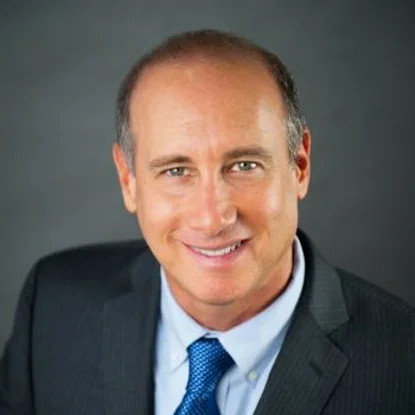
By Scott Fisher
Attorney

Formal probate and informal probate are the two primary ways an estate is handled in California, and the difference between them can affect how long the process takes, how much it costs, and how involved the court will be. Informal probate is often quicker and less expensive, but it is not available in every situation. When disputes arise, questions exist about a will, or closer court oversight is required, formal probate may be the only option. Understanding these distinctions early helps you anticipate timelines, costs, and potential complications before the process begins.

What Is Informal Probate in California?

Informal probate is a streamlined court process used when an estate is relatively straightforward. The court’s role is limited, and most tasks are handled by the personal representative with minimal judicial oversight.

This option is generally available when:

  • The will is valid and uncontested
  • Heirs and beneficiaries agree on distributions
  • There are no disputes over debts, assets, or appointments
  • The estate qualifies for simplified procedures under California law

Because fewer hearings are required, informal probate often moves faster and involves lower court and legal costs. Many estates that follow a clear, properly executed will can qualify for this approach.

What Is Formal Probate in California?

Formal probate involves closer court supervision and is used when legal issues make a simplified process impractical. The court may be required to approve actions, resolve disputes, or interpret the will.

Formal probate is typically required when:

  • The will is contested or unclear
  • There are disputes among heirs or beneficiaries
  • The validity of the will is questioned
  • Creditors raise objections
  • The estate involves complex assets or unusual circumstances

This process often includes formal hearings, written objections, and court orders, which can extend timelines and increase costs.

Formal vs. Informal Probate: Key Differences at a Glance

Process Length

Informal probate is usually completed more quickly because it avoids repeated court hearings. Many cases move forward with paperwork and administrative filings.

Formal probate often takes longer due to:

  • Scheduled hearings
  • Time needed to resolve objections
  • Additional court review at multiple stages

If disagreements arise, timelines can stretch significantly.

Costs

Costs are generally lower in informal probate because fewer court appearances and filings are required.

Formal probate may cost more due to:

  • Additional attorney time
  • Court hearings and motions
  • Delays tied to disputes or objections

While probate fees in California follow statutory guidelines, extended proceedings can still increase overall expenses.

Eligibility

Not every estate qualifies for informal probate. Eligibility depends on factors like estate value, asset types, and whether disputes exist.

Formal probate is not optional when the court determines supervision is needed to protect the estate or resolve conflicts.

Common Situations Where Formal Probate Is Required

Formal probate is often unavoidable in situations such as:

  • A beneficiary challenges the will’s validity
  • Multiple wills exist, and the court must determine which controls
  • The will contains unclear or conflicting instructions
  • A proposed personal representative is contested
  • Creditors dispute how debts are handled

In these cases, court involvement provides structure and legal resolution that informal probate cannot offer.

Which Probate Process Is Right for Your Situation?

When deciding between informal and formal probate, the key question is not just how simple the estate appears on paper, but whether any issues are likely to trigger court involvement. Even estates that seem straightforward can require formal probate if disagreements surface or legal questions arise. 

We help you assess eligibility early, flag potential complications, and choose a probate approach that aligns with California requirements. Clear guidance at the beginning can prevent delays and unexpected costs later.

Planning Ahead Can Reduce the Need for Formal Probate

Many families are surprised to learn that thoughtful estate planning can reduce the likelihood that formal probate will be required. Clear, up-to-date documents, properly titled assets, and coordinated beneficiary designations help limit disputes and reduce the need for court intervention. 

While probate cannot always be avoided, planning ahead can make it more likely that an estate qualifies for a smoother, less court-supervised process and remains more predictable for the people you leave behind.

Choosing the Right Probate Process

If you are facing probate or planning for the future, understanding your options matters. We will help you determine whether informal probate is available, explain when formal probate is required, and guide you through each step with clarity. To discuss your situation and next steps, contact Scott D. Fisher, A Professional Law Corporation, for a consultation.

About the Author

Attorney Scott D. Fisher, Esq. has over 35 years of experience helping clients navigate estate planning, probate and trust administration, litigation, and real estate matters. Known for his practical approach and problem-solving skills, he has guided individuals, couples—including those in non-traditional relationships—and families, including those with special needs, in creating effective estate plans and resolving sensitive legal issues.

Mr. Fisher takes particular pride in serving the LGBTQ community, offering knowledgeable and compassionate legal support tailored to their unique needs. His work includes complex probate litigation, trust disputes, and court-supervised matters, always delivered with integrity, efficiency, and common sense.

By Scott Fisher
Attorney
Formal vs. Informal Probate

Formal probate and informal probate are the two primary ways an estate is handled in California, and the difference between them can affect how long the process takes, how much it costs, and how involved the court will be. Informal probate is often quicker and less expensive, but it is not available in every situation. When disputes arise, questions exist about a will, or closer court oversight is required, formal probate may be the only option. Understanding these distinctions early helps you anticipate timelines, costs, and potential complications before the process begins.

What Is Informal Probate in California?

Informal probate is a streamlined court process used when an estate is relatively straightforward. The court’s role is limited, and most tasks are handled by the personal representative with minimal judicial oversight.

This option is generally available when:

  • The will is valid and uncontested
  • Heirs and beneficiaries agree on distributions
  • There are no disputes over debts, assets, or appointments
  • The estate qualifies for simplified procedures under California law

Because fewer hearings are required, informal probate often moves faster and involves lower court and legal costs. Many estates that follow a clear, properly executed will can qualify for this approach.

What Is Formal Probate in California?

Formal probate involves closer court supervision and is used when legal issues make a simplified process impractical. The court may be required to approve actions, resolve disputes, or interpret the will.

Formal probate is typically required when:

  • The will is contested or unclear
  • There are disputes among heirs or beneficiaries
  • The validity of the will is questioned
  • Creditors raise objections
  • The estate involves complex assets or unusual circumstances

This process often includes formal hearings, written objections, and court orders, which can extend timelines and increase costs.

Formal vs. Informal Probate: Key Differences at a Glance

Process Length

Informal probate is usually completed more quickly because it avoids repeated court hearings. Many cases move forward with paperwork and administrative filings.

Formal probate often takes longer due to:

  • Scheduled hearings
  • Time needed to resolve objections
  • Additional court review at multiple stages

If disagreements arise, timelines can stretch significantly.

Costs

Costs are generally lower in informal probate because fewer court appearances and filings are required.

Formal probate may cost more due to:

  • Additional attorney time
  • Court hearings and motions
  • Delays tied to disputes or objections

While probate fees in California follow statutory guidelines, extended proceedings can still increase overall expenses.

Eligibility

Not every estate qualifies for informal probate. Eligibility depends on factors like estate value, asset types, and whether disputes exist.

Formal probate is not optional when the court determines supervision is needed to protect the estate or resolve conflicts.

Common Situations Where Formal Probate Is Required

Formal probate is often unavoidable in situations such as:

  • A beneficiary challenges the will’s validity
  • Multiple wills exist, and the court must determine which controls
  • The will contains unclear or conflicting instructions
  • A proposed personal representative is contested
  • Creditors dispute how debts are handled

In these cases, court involvement provides structure and legal resolution that informal probate cannot offer.

Which Probate Process Is Right for Your Situation?

When deciding between informal and formal probate, the key question is not just how simple the estate appears on paper, but whether any issues are likely to trigger court involvement. Even estates that seem straightforward can require formal probate if disagreements surface or legal questions arise. 

We help you assess eligibility early, flag potential complications, and choose a probate approach that aligns with California requirements. Clear guidance at the beginning can prevent delays and unexpected costs later.

Planning Ahead Can Reduce the Need for Formal Probate

Many families are surprised to learn that thoughtful estate planning can reduce the likelihood that formal probate will be required. Clear, up-to-date documents, properly titled assets, and coordinated beneficiary designations help limit disputes and reduce the need for court intervention. 

While probate cannot always be avoided, planning ahead can make it more likely that an estate qualifies for a smoother, less court-supervised process and remains more predictable for the people you leave behind.

Choosing the Right Probate Process

If you are facing probate or planning for the future, understanding your options matters. We will help you determine whether informal probate is available, explain when formal probate is required, and guide you through each step with clarity. To discuss your situation and next steps, contact Scott D. Fisher, A Professional Law Corporation, for a consultation.

About the Author

Attorney Scott D. Fisher, Esq. has over 35 years of experience helping clients navigate estate planning, probate and trust administration, litigation, and real estate matters. Known for his practical approach and problem-solving skills, he has guided individuals, couples—including those in non-traditional relationships—and families, including those with special needs, in creating effective estate plans and resolving sensitive legal issues.

Mr. Fisher takes particular pride in serving the LGBTQ community, offering knowledgeable and compassionate legal support tailored to their unique needs. His work includes complex probate litigation, trust disputes, and court-supervised matters, always delivered with integrity, efficiency, and common sense.

Attorney Advertising
Website developed in accordance with Web Content Accessibility Guidelines 2.2.
If you encounter any issues while using this site, please contact us: 323.944.0011