Applying for Probate in Los Angeles: What Executors Need to Know

Share on Facebook
Share on X
Share on LinkedIn
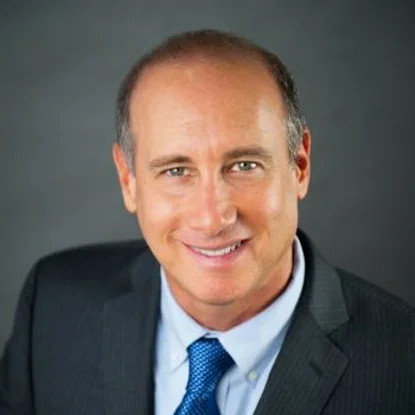
By Scott Fisher
Attorney

Being named as an executor comes with important legal responsibilities. In Los Angeles, applying for probate usually begins by filing a petition with the probate court so you can receive authority to administer the estate. Following the required procedures from the outset can help avoid unnecessary delays and keep the process moving forward. While every estate is different, understanding the basic probate process can help you approach your responsibilities with greater confidence.

When Is Probate Required in California?

Probate is the court-supervised process of administering a deceased person’s estate. It is generally required when assets cannot transfer automatically to beneficiaries under California law.

Many assets avoid probate, including:

  • Property held in a living trust
  • Accounts with designated beneficiaries
  • Jointly owned property with rights of survivorship
  • Certain small estates that qualify for simplified procedures

If probate is necessary, the executor named in the will is typically responsible for initiating the process. If there is no will, the court may appoint a personal representative to administer the estate.

How Do You Apply for Probate in Los Angeles?

The probate process begins by filing a petition with the Los Angeles County Superior Court. In most cases, executors will need to:

  1. File the probate petition and supporting court forms.
  2. Submit the original will, if one exists.
  3. Notify heirs, beneficiaries, and other interested parties.
  4. Publish notice when required by law.
  5. Attend the probate hearing.
  6. Receive Letters Testamentary or Letters of Administration from the court.

These documents give you the legal authority to collect estate assets, communicate with financial institutions, and carry out your duties as executor.

What Happens After the Court Appoints the Executor?

Once appointed, the executor is responsible for administering the estate until it is ready to close. Common responsibilities include:

  • Identifying and protecting estate assets
  • Preparing an inventory of estate property
  • Paying valid debts, taxes, and administration expenses
  • Keeping accurate financial records
  • Distributing assets according to the will or California law
  • Filing the documents needed to close the estate

Because executors owe fiduciary duties to the estate and its beneficiaries, staying organized and maintaining thorough records throughout the process is important.

Common Probate Mistakes Executors Should Avoid

Even straightforward estates can encounter delays when required procedures are missed. Some common mistakes include:

  • Filing incomplete court forms
  • Missing notice requirements or court deadlines
  • Distributing assets before debts are resolved
  • Failing to maintain accurate estate records
  • Mixing estate funds with personal accounts

Seeking legal guidance early can often help avoid mistakes that slow the administration of the estate or lead to disputes among beneficiaries.

How Long Does Probate Take?

Every estate is different. Some probate matters can be completed within several months, while more complex estates may take a year or longer.

The timeline often depends on the size of the estate, whether real estate must be sold, creditor claims, tax issues, beneficiary disputes, and the court’s schedule. Although some delays are unavoidable, timely filings and complete documentation can help keep the process moving.

How We Help Executors

Many people serve as an executor only once and are unfamiliar with California probate procedures. We help executors prepare court filings, satisfy legal requirements, administer estate assets, and address issues that arise throughout the probate process. Whether you are opening an estate or handling questions that arise along the way, we provide practical guidance from beginning to end.

Ready to Begin the Probate Process?

Applying for probate is the first step toward settling an estate. If you have been named as an executor or believe probate may be required, Scott D. Fisher, A Professional Law Corporation, can help you understand your responsibilities and guide you through each stage of the process. Contact us today to discuss your situation.

Frequently Asked Questions

Can I apply for probate without an attorney?

Yes. California law does not require an attorney, but many executors seek legal guidance because probate involves detailed court procedures and fiduciary obligations.

What if I cannot find the original will?

Probate may still be possible, but additional court procedures may be required. Locating the original will before filing can help avoid delays.

Can I distribute assets before probate is finished?

Generally, no. Executors should wait until debts, expenses, and legal requirements have been addressed before making distributions to beneficiaries.

About the Author

Attorney Scott D. Fisher, Esq. has over 35 years of experience helping clients navigate estate planning, probate and trust administration, litigation, and real estate matters. Known for his practical approach and problem-solving skills, he has guided individuals, couples—including those in non-traditional relationships—and families, including those with special needs, in creating effective estate plans and resolving sensitive legal issues.

Mr. Fisher takes particular pride in serving the LGBTQ community, offering knowledgeable and compassionate legal support tailored to their unique needs. His work includes complex probate litigation, trust disputes, and court-supervised matters, always delivered with integrity, efficiency, and common sense.

By Scott Fisher
Attorney
Applying for Probate in Los Angeles: What Executors Need to Know

Being named as an executor comes with important legal responsibilities. In Los Angeles, applying for probate usually begins by filing a petition with the probate court so you can receive authority to administer the estate. Following the required procedures from the outset can help avoid unnecessary delays and keep the process moving forward. While every estate is different, understanding the basic probate process can help you approach your responsibilities with greater confidence.

When Is Probate Required in California?

Probate is the court-supervised process of administering a deceased person’s estate. It is generally required when assets cannot transfer automatically to beneficiaries under California law.

Many assets avoid probate, including:

  • Property held in a living trust
  • Accounts with designated beneficiaries
  • Jointly owned property with rights of survivorship
  • Certain small estates that qualify for simplified procedures

If probate is necessary, the executor named in the will is typically responsible for initiating the process. If there is no will, the court may appoint a personal representative to administer the estate.

How Do You Apply for Probate in Los Angeles?

The probate process begins by filing a petition with the Los Angeles County Superior Court. In most cases, executors will need to:

  1. File the probate petition and supporting court forms.
  2. Submit the original will, if one exists.
  3. Notify heirs, beneficiaries, and other interested parties.
  4. Publish notice when required by law.
  5. Attend the probate hearing.
  6. Receive Letters Testamentary or Letters of Administration from the court.

These documents give you the legal authority to collect estate assets, communicate with financial institutions, and carry out your duties as executor.

What Happens After the Court Appoints the Executor?

Once appointed, the executor is responsible for administering the estate until it is ready to close. Common responsibilities include:

  • Identifying and protecting estate assets
  • Preparing an inventory of estate property
  • Paying valid debts, taxes, and administration expenses
  • Keeping accurate financial records
  • Distributing assets according to the will or California law
  • Filing the documents needed to close the estate

Because executors owe fiduciary duties to the estate and its beneficiaries, staying organized and maintaining thorough records throughout the process is important.

Common Probate Mistakes Executors Should Avoid

Even straightforward estates can encounter delays when required procedures are missed. Some common mistakes include:

  • Filing incomplete court forms
  • Missing notice requirements or court deadlines
  • Distributing assets before debts are resolved
  • Failing to maintain accurate estate records
  • Mixing estate funds with personal accounts

Seeking legal guidance early can often help avoid mistakes that slow the administration of the estate or lead to disputes among beneficiaries.

How Long Does Probate Take?

Every estate is different. Some probate matters can be completed within several months, while more complex estates may take a year or longer.

The timeline often depends on the size of the estate, whether real estate must be sold, creditor claims, tax issues, beneficiary disputes, and the court’s schedule. Although some delays are unavoidable, timely filings and complete documentation can help keep the process moving.

How We Help Executors

Many people serve as an executor only once and are unfamiliar with California probate procedures. We help executors prepare court filings, satisfy legal requirements, administer estate assets, and address issues that arise throughout the probate process. Whether you are opening an estate or handling questions that arise along the way, we provide practical guidance from beginning to end.

Ready to Begin the Probate Process?

Applying for probate is the first step toward settling an estate. If you have been named as an executor or believe probate may be required, Scott D. Fisher, A Professional Law Corporation, can help you understand your responsibilities and guide you through each stage of the process. Contact us today to discuss your situation.

Frequently Asked Questions

Can I apply for probate without an attorney?

Yes. California law does not require an attorney, but many executors seek legal guidance because probate involves detailed court procedures and fiduciary obligations.

What if I cannot find the original will?

Probate may still be possible, but additional court procedures may be required. Locating the original will before filing can help avoid delays.

Can I distribute assets before probate is finished?

Generally, no. Executors should wait until debts, expenses, and legal requirements have been addressed before making distributions to beneficiaries.

About the Author

Attorney Scott D. Fisher, Esq. has over 35 years of experience helping clients navigate estate planning, probate and trust administration, litigation, and real estate matters. Known for his practical approach and problem-solving skills, he has guided individuals, couples—including those in non-traditional relationships—and families, including those with special needs, in creating effective estate plans and resolving sensitive legal issues.

Mr. Fisher takes particular pride in serving the LGBTQ community, offering knowledgeable and compassionate legal support tailored to their unique needs. His work includes complex probate litigation, trust disputes, and court-supervised matters, always delivered with integrity, efficiency, and common sense.

Attorney Advertising
Website developed in accordance with Web Content Accessibility Guidelines 2.2.
If you encounter any issues while using this site, please contact us: 323.944.0011